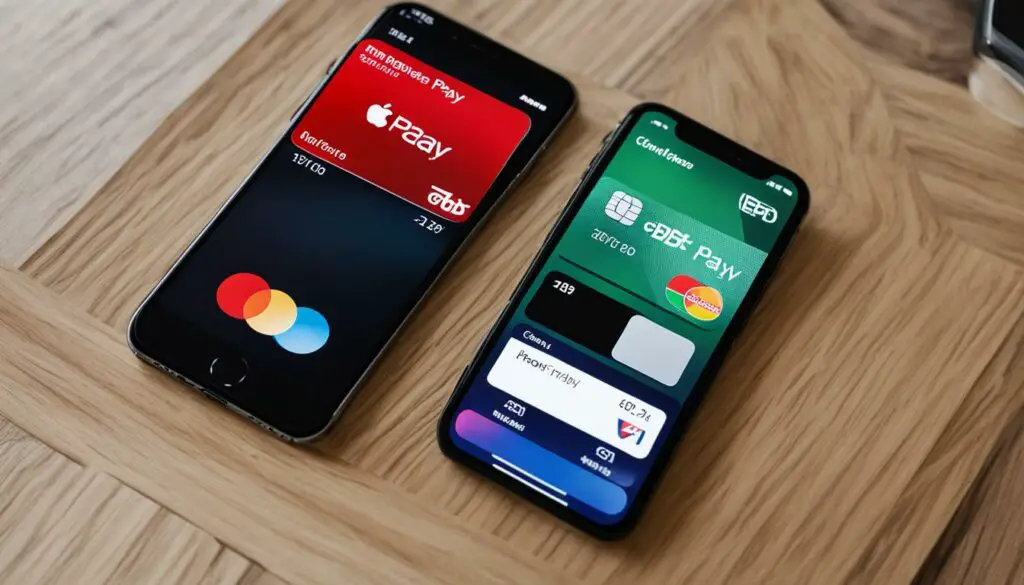
In an increasingly digital world, payment methods play a crucial role in online betting. One of the most popular payment options is Apple Pay, a service that enables users to make secure transactions quickly and conveniently. However, not all bookmakers have embraced this payment method. This article explores the reasons some bookies don’t accept Apple Pay, the implications for users, and the available alternatives. For more vast insights into safety and innovation in various sectors, check out the Apple Pay bookies not on GamStop IOSH Conference.

The Rise of Digital Payments in Online Betting
In recent years, the online betting industry has evolved significantly. With increasing smartphone usage and the rise of fintech, digital payments have become the norm. Apple Pay, in particular, was introduced to offer a fast and secure method for making transactions. Its user-friendly interface and integration with Apple devices make it appealing for many bettors looking for convenience.
What is Apple Pay?
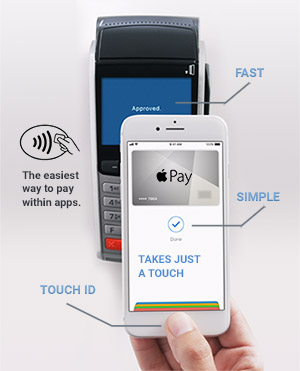
Apple Pay is a mobile payment and digital wallet service by Apple Inc. It allows users to make payments in-person, in iOS apps, and on the web using Safari. Users can link their credit or debit cards to their Apple Wallet and make secure transactions without needing to input card information each time. The security features of Apple Pay, such as Touch ID and Face ID, add an extra layer of safety, which is particularly appealing for online betting.
Increased User Engagement
By offering Apple Pay as a payment method, bookmakers can potentially increase user engagement. The convenience of using Apple Pay allows for faster deposits and withdrawals, encouraging more frequent bets. However, despite these advantages, not all bookmakers have integrated this payment method, leading to questions about why some bookies are still without Apple Pay.
Reasons Why Some Bookies Do Not Accept Apple Pay
Regulatory Challenges
One of the main reasons some bookies do not accept Apple Pay is due to regulatory challenges. Online gambling is heavily regulated in many jurisdictions, and the laws governing payment processing can be complex. In some regions, the gambling laws may not clearly outline the use of digital wallets like Apple Pay, causing reluctance among bookmakers to adopt them. The ambiguity in regulations can act as a deterrent for bookies, making them hesitant to incorporate Apple Pay into their payment options.
Fees and Costs
Every payment method comes with associated fees. For bookmakers, the transaction fees for processing payments through Apple Pay can be higher compared to traditional banking methods. This could impact their profitability, especially for smaller bookies who operate on tighter margins. As a result, some bookies may opt for alternative payment methods that carry lower costs, thus avoiding the integration of Apple Pay.
Technical Integration Issues
Integrating Apple Pay into an existing payment system can also present technical challenges. Bookmakers have to ensure that their platforms can handle Apple Pay transactions securely and efficiently. Implementing this new payment method requires development resources, time, and expertise, which may not be viable for all bookies. Smaller operators, in particular, may find it daunting to invest in the necessary infrastructure.
Risk Management Concerns
Online betting involves a substantial amount of money, leading bookmakers to prioritize risk management. Electronic wallets, while secure, may still pose risks concerning fraud and chargebacks. Some bookmakers may choose to limit their payment methods to those that have historically provided lower risk profiles, opting out of Apple Pay to minimize exposure.
The Implications for Bettors
The absence of Apple Pay among certain bookmakers can be frustrating for users who prefer this payment method. For bettors who value speed and security, the inability to use Apple Pay can influence their betting choices, potentially driving them to competitors who do accept this payment option. Moreover, a lack of preferred payment methods may affect user experience and loyalty, prompting bettors to seek platforms that align with their payment preferences.
Alternatives to Apple Pay
For bettors looking for alternatives to Apple Pay, many options are available. Traditional payment methods like credit and debit cards continue to be widely accepted across various betting platforms. Other digital wallets, such as PayPal, Skrill, and Neteller, are also popular among users for their convenience and security features. Each of these alternatives has its advantages, and bettors should evaluate them based on transaction speed, fees, and user experience.
Cryptocurrency and Online Betting
Another emerging alternative for online betting is the use of cryptocurrencies. Many bookmakers have started accepting Bitcoin and other cryptocurrencies as payment methods. This shift is primarily due to the desire for anonymity and lower transaction fees associated with using digital currencies. While cryptocurrencies may not appeal to every bettor, they represent a growing trend in the online betting landscape.
Conclusion
The landscape of online betting is continually changing, particularly regarding payment methods. While many bettors prefer using Apple Pay for its convenience and security, not all bookmakers have adopted this payment method due to regulatory challenges, costs, technical issues, and risk management concerns. As a bettor, it’s essential to weigh your options and choose a platform that fits your preferences and needs. The future may see wider acceptance of Apple Pay among bookies as digital payments continue to evolve, but for now, bettors must navigate the options available to them and choose wisely.