



If you love flight sims, you understand the struggle. Aviamasters 2 is a immersive, absorbing game, but making the time to really dive into it can be tough. Making the most from your playtime isn’t about hurrying; it’s about making each minute count for your skills and your enjoyment. Here are some practical tips I use to make my own sessions more purposeful and satisfying.
Establish Your Session Goals
I never just boot up and see what happens. Having a clear goal turns a casual flight into a mission with a goal. It stops you from staring at the menu screen and provides you with something to actually finish.
- Skill Mastery:
- Progression:
- Exploration:
- Relaxation:
I write my goal on a sticky note. It seems silly, but it does the job. That note helps me stay focused when I’m tempted to just mess around. Being certain what you want to do is the most efficient route to achieving it.
Get to grips with the Quick Start menu and Preset options
Aviamasters 2 models everything, but you don’t always have twenty minutes for a full startup sequence. For shorter weekday sessions, I depend on the ‘Quick Flight’ menu. The key is to configure a few favorite presets ahead of time.
Take ten minutes in the hangar to store your go-to plane, airport, and weather as a preset. You’ll thank yourself later. With one click, you’re on the runway with engines running, prepared to practice your focus instead of tweaking fuel loads. Keep the full cold and dark cockpit procedures for a relaxed Saturday.
I have a few weather presets saved as well—one for clear skies, one for light rain, one for poor visibility. It chops another chunk off the setup time and puts you into the air faster.
Enhance Your Real-World and Electronic Environment
Your real desk matters as equally as the virtual cockpit. If my chair is poorly adjusted or my joystick is buried under papers, I get sidetracked and call it quits early.
I keep my throttle, stick, and headset in the identical spot every time. I dim the main lights and use a lamp to prevent screen glare. Devoting five minutes tidying up makes a one-hour session become smooth and focused.
On the PC side, close your web browser and other apps. Allocate Aviamasters 2 all the RAM and CPU it can get. A stable, high frame rate is less straining on your eyes and lets you focus on flying, not stutters.
Zero in on One Aircraft System at a Time
The systems in these planes are complex. Attempting to learn the entire Airbus A320 in one go is a recipe for forgetting everything. I pick one thing per session.
Possibly today I’ll only work with the Flight Management Computer. Tomorrow, I’ll run through hydraulic failure drills. I use the in-game checklists to keep this learning structured.
This bite-sized approach prevents your brain from frying. After a few weeks of these focused sessions, you’ll realize you’ve quietly learned the entire aircraft without the headache.
Analyze Your Performance After the Flight
I ensure to devote the last five minutes of a session on review. The game’s flight log and debriefing screen are perfect for this. I look at my landing touchdown rate, see if I strayed off my flight path, and review any warnings.
This quick summary locks in what I picked up and identifies what could be better. It gives the session a clear conclusion. I’ll jot down one thing to concentrate on next time, like “start the flare a bit sooner.”
That habit of reviewing is what transforms random flying into real practice. You start correcting errors instead of replicating them.
Employ In-Game Time Compression Strategically
Piloting a cargo run across the continent in real time is a big ask. That’s where the time acceleration feature is a game-changer. I employ it to avoid the cruise portion of long flights.
It lets me to complete several delivery missions in a single evening, concentrating on the interesting parts: planning, takeoff, and the approach. I always turn acceleration off before entering busy airspace or starting my landing pattern. Never employ it during takeoff or landing.
This one tool can convert a three-hour oceanic haul into a 30-minute session where you still handle all the important piloting tasks.
Balance Challenge with Enjoyment and Configure Hardware Profiles
Don’t let optimization suck the fun out. I vary the difficulty. If I’ve just missed a tricky instrument landing three times, my next session might be a stress-free visual flight along the coast.
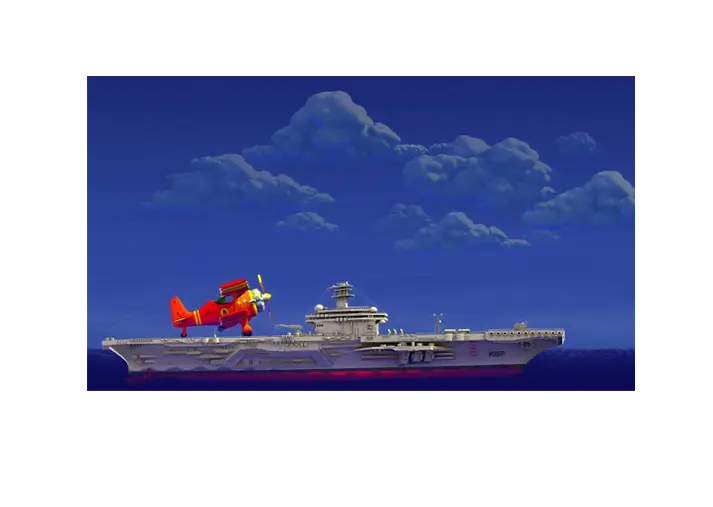
Pay attention to your mood. Attempting to nail a carrier landing when you’re already tired is a quick route to annoyance. Sometimes, the finest use of your time is a flight that leaves you smiling and desiring more.
If you have a elaborate setup with multiple peripherals, save hardware profiles. Create one profile for your warbird with force feedback enabled, and a different one for your airliner with different sensitivity. Changing planes becomes instant, not a 10-minute recalibration chore.
Become part of an Online Squadron
Flying with others brings structure. I became part of a casual squadron that operates every Thursday night. Knowing the group expects me ensures I’m far more likely to set aside that time and show up.
- Group goals split the workload. Someone can plot the course, someone can take care of comms, rendering complex flights simpler.
- You pick up tricks in minutes from more experienced pilots that would require you hours to discover alone.
- A scheduled event is dedicated time. It transforms into a regular, high-quality segment in your calendar.
- Squadrons exchange optimal graphics settings, control profiles, and procedures, eliminating you endless tweaking.
It shifts the hobby from something you do alone to a social event with built-in motivation and help.
Use the Break Function and Account for Distractions
Life happens. The doorbell rings, the kettle boils, the dog needs out. My rule is simple: I hit pause without a second thought.
Using pause as a management tool preserves missions. It keeps you from executing a panicked, bad decision because you’re being pulled away. I also build short breaks into longer sessions on purpose.
Standing up for a glass of water or to gaze out the window for five minutes renews your focus. You’ll come back to the controls more focused and commit fewer mistakes.
Common Questions
How long should an optimized Aviamasters 2 session be?
The ideal duration depends on your available time. A focused 30-minute session on a certain skill outperforms a wandering four-hour flight. For solid progress without fatigue, I find 45 to 90 minutes is optimal for most people.
Can I make progress with limited time?
Yes, you can. Use a fast setup and pick one objective. “Today, I will effectively complete the VOR navigation tutorial,” or “I will land the 747 at Heathrow without exceeding the landing gear limit.” Compact, consistent sessions develop muscle memory faster than sporadic, aimless marathons.
What is the most common time-wasting mistake?
Repeating the same mission over and over without analyzing. Before you hit ‘restart,’ take a moment. Check the log. Did you neglect to lower the flaps? Did you misinterpret the altitude clearance? Two minutes of analysis can spare you twenty minutes of frustration. Also, don’t get distracted by tweaking graphics settings mid-flight.
How does joining a squadron optimize my time?
It offers you a schedule and a knowledge base. The mission is already planned, the aircraft are picked, and the time is determined. You acquire from others’ mistakes and tricks. That weekly commitment also assists you defend that block of time from other activities, making it a regular part of your week.
Should I use all assists if my time is limited?
Employ assists to direct your training https://aviamasters2game.com/. If your objective is to learn radio navigation, enable auto-throttle and flight stability so you can concentrate on the radios. If you’re working on engine-out emergencies, set everything else off. Tailor the assists to your goal for that day, and don’t worry about it.