


A fresh game called Rocketon has just launched, and it’s already gaining attention, particularly in Canada aviatorcasino.app. It combines straightforward fun with a surprising amount of strategic nuance, centered on a straightforward yet potent concept: the thrill of launching into the unknown. Let’s break down what makes Rocketon tick and why it could very well be your next favorite game.
Guide to Rocketon’s Core Concept and Appeal
Rocketon understands its identity. The game is founded on the classic theme of exploration and ascent, providing you that raw excitement of blasting off and discovering how high you can reach. The developers ensured you can jump right in without going through a guide. The controls are responsive from the get-go, which implies you waste less time learning and more time enjoying the game. This smart design suits anyone seeking to de-stress for a brief period or for a gamer striving for the top of the leaderboard.
Looks and sound matter, and Rocketon does this correctly. The interface is clean, the colors stand out without being flashy, and everything works the moment you touch a control or use a controller. This polish isn’t just for show. It creates a convincing game universe, immersing you and ensuring every playthrough is fluid and focused on the action.
More than anything, Rocketon taps into that basic gaming itch we all have: the urge to improve and track your development. Every time you unlock a new engine or obtain a stylish new coating for your ship, it seems like a genuine accomplishment. The whole game—the audio, the visuals, the way your ship handles—strengthens that dream of being a trailblazer, charting a path through unknown celestial realms.
Analyzing the Gameplay Mechanics
To truly get Rocketon, you need to look at how it plays. The game is a network of interlinked systems that reward good timing, smart strategy, and understanding your mistakes. Every action you take propels you a little ahead, and the game is excellent at offering you distinct, satisfying objectives to hit along the way.
The Main Interaction Loop
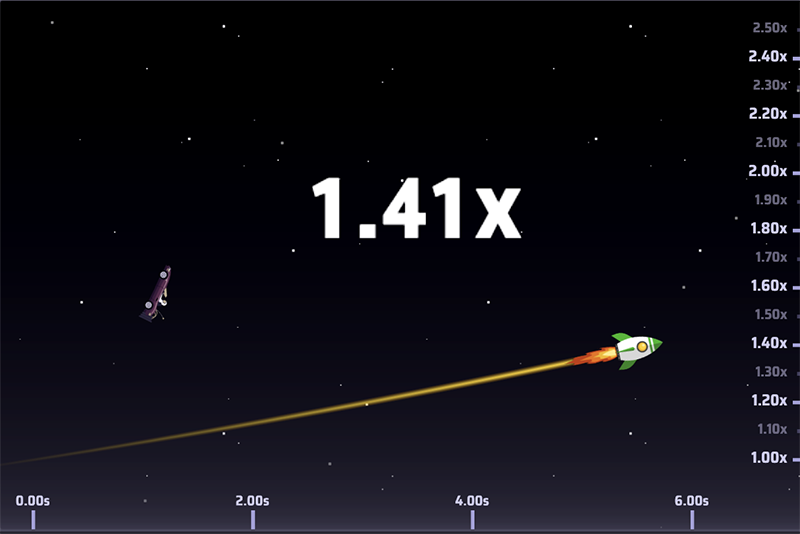
Rocketon’s main loop is a process of getting ready, taking action, and collecting the rewards. Each run requires your full attention. You make a split-second decision, and you see the effect right away. The game removes the boring sections to maintain you in that state of impactful choice. A bright flash, a climbing total, a unique sound effect—all of it connects your actions straight to the game’s feedback, which is the factor that makes you desire to play “just one more run.”
Here’s how a typical run might go. You’re watching your fuel gauge as you thread through a zone of floating asteroids. You execute a boost precisely to slide between two spinning chunks of rock, grabbing a group of glowing crystals on the way. A pleasant sound signals the collection. If you err and scrape a wing, the screen vibrates momentarily and a warning light blinks, showing you clearly what went wrong so you can correct next time. This clear connection between what you do and what you see and hear makes the gameplay extremely engaging.
Progression and Unlock Systems
The moment-to-moment flying is excellent, but Rocketon also gives you greater goals to chase. By clearing runs and reaching targets, you earn the means to acquire new gear, modify your ship’s look, or access harder challenges. The game paces these rewards carefully. You obtain useful things frequently enough to experience like you’re always progressing, but not so easily that it feels unearned.
The progression is organized intelligently. Your first few unlocks are functional, like a more efficient fuel injector or a better radar. These alter how you approach the game. Later, you might earn cosmetic items—a sleek black hull or a neon green engine exhaust—that let you show off your personality. The ultimate goals could give you totally new ship types, each with different flight traits that force you to re-master and master the basics all over again. There’s always a new carrot on the stick.
Visual Design and UI Analysis
A game communicates with you first through its graphics, and Rocketon’s style is one of clearness and modern look. The art ensures you can always see what’s important. Your important information is prominently displayed, while additional information are placed in menus you can pull up when you want them. Even the dazzling explosions and speed effects are crafted to look amazing without ever hindering your view.
The menus and heads-up display are your control hub. Everything is arranged logically. You can check your resource count, see your next objective, or modify settings without getting lost. Because the interface is so neat, you can keep your brainpower focused on piloting and strategy, not on looking for a button.
The detail extends to the environments you fly through. A sparkling nebula, a dangerous asteroid belt, and the peaceful rings of a gas giant aren’t just various backdrops. They play differently. That nebula might conceal rare resources in its clouds, while the asteroid field demands razor-sharp precision. The art isn’t just decoration; it’s part of the gameplay.
Sound design follows the same rule. The engine roar rises and falls with your throttle. A low, pulsing alarm tells you your shields are failing. The music intensifies during a narrow escape and softens when you’re flying safely. It all harmonizes to create an experience that feels immersive and engaging for your eyes and ears.
Strategic Depth and Player Engagement Factors
Rocketon is simple to pick up, but it isn’t simple. If you want to dig deeper, you’ll find abundant room for strategy. You can map optimal routes, manage your ship’s resources like a budget, and set up long-term plans for domination. This extra depth is totally optional, but it’s there for the taking, rendering the game fulfilling for quick blasts and for thoughtful sessions.
The game also makes you coming back with new things to do. Time-limited events and special weekly challenges motivate you to test your skills in new ways. This strategy, common in games that receive regular updates, maintains the community active and gives everyone a reason to log in and see what’s new.
Resource Handling and Risk vs. Reward
A big part of the strategy is controlling your ship’s vitals. Fuel limits how far you can go. Shield energy absorbs hits. You have to determine, on the fly, whether to spend collected energy on a speed boost or to bolster your defenses. Do you risk, cutting through a dangerous meteor shower to trim seconds off your time? Or opt for caution with a longer, clearer route? These constant small choices offer every run its own strategic tension.
Before you even launch, you can tailor your ship’s loadout. You might fit lighter thrusters for a race, or a bigger cargo hold for a scavenger hunt, or reinforced plating for a combat zone. This pre-mission tinkering adds a whole layer of planning. You’re not just responding to the game; you’re designing a tool specifically for the job ahead.
Community and Competitive Layers
The strategy goes social with global leaderboards for different game modes. Rocketon avoids pay-to-win pitfalls; topping the charts is about skill, smart loadouts, and clever flying. Some community events even have players worldwide cooperating toward a shared goal, like collectively mining a certain number of resources to unlock a new ship for everyone. It provides a nice layer of teamwork to the competitive spirit.
Inclusivity and the Introductory Experience
A game’s first impression is everything, and Rocketon ushers new players in gently. Instead of a boring info dump, the tutorial teaches you by letting you to do. You learn how to manage fuel by truly flying through a peaceful, resource-rich starter zone. This interactive method instills confidence quickly and places you into the actual game with minimal fuss.
The settings menu shows the developers considered about various kinds of players. You can tweak control sensitivity, remap buttons, reduce flashy effects, and even turn on colorblind modes. These choices might seem small, but they produce a world of difference, letting people adapt the experience to what works for them.
- Step-by-step Tutorial Incorporation: You pick up by playing. Key mechanics are taught one at a time during real gameplay, not in a dedicated classroom mode.
- Clear Objective Marking: Your present goal and your long-term missions are always plainly shown with icons and a thorough, easy-to-read log.
- No-risk Practice Modes: A special “Simulation Chamber” lets you experiment with new ship modules and rehearse maneuvers without consuming any resources or damaging your standings.
- Adjustable Controls: Completely rebindable keys and support for multiple controller types guarantee you can configure the controls exactly how you like them.
- Graphical Accessibility Options: These contain filters for colorblind players, sliders to make text larger, and toggles to reduce screen shake and intense flashing lights.
- Flexible Difficulty Suggestions: If you’re sailing past challenges or hitting constant walls, the game might quietly recommend you change the difficulty setting for a more suitable fit.
This emphasis on accessibility implies the game’s real challenges arise from its design and your own choices, not from a perplexing interface or biased barriers. It provides the door for a much wider audience to experience everything Rocketon has to offer.
Market Positioning in the Gaming Market
What is Rocketon stand in the crowded world of games? It doesn’t aim to be a massive, hundred-hour open-world epic or a brutally complex flight simulator. Its place is in focused, session-based gameplay with a strong sense of progression. This turns it into a perfect match for players who desire a satisfying experience that suits a busy schedule.
The game’s refinement and thoughtful systems enable it to stand next to bigger names by delivering something special. It has a defined image and executes on its core idea with assurance. In a market teeming with copycats, that distinctness is a real strength and a reason for players to sit up and listen.
Stack it up against other arcade-style games, and Rocketon’s physics-based piloting and resource management provide it with more depth. Contrast it to hardcore space sims, and its streamlined controls and defined goals turn it far less intimidating. Rocketon finds a sweet spot, delivering more depth than a casual mobile game but a much friendlier learning curve than a niche simulator.
Its business model will influence its standing, too. If it becomes free-to-play with fair monetization—like providing only cosmetic items—it could pull in a massive audience. If it’s a premium, one-time purchase, its quality and depth justify the price against bigger, sometimes less finished titles. This flexibility is a positive indicator for its staying power.

Future Path and Ongoing Feasibility
Rocketon’s launch is solid, but its prospects depends on the next steps. The developers’ plans for additional content, functionalities, and engaging with the community will shape everything. A contemporary game is a ongoing service, and players will stick around if the experience keeps evolving and improving.
We could see new social features, more difficulty modes, or deeper tailoring down the line. The game’s framework seems designed to support these kinds of enhancements. For anyone currently playing, the notion of a world that develops over time makes the first download or purchase much more worthwhile.
- Content Pipeline: New levels, challenges, or story bits need to arrive regularly to maintain novelty. Imagine seasonal events that discover new corners of the galaxy, each with distinct dangers and bits of lore to discover.
- Social Integration: Features that let players exchange cool moments or compete are key. Future updates could introduce clan systems with group goals, or maybe even easy-to-use features for designing and distributing custom challenge courses.
- Tech Support: The game needs to operate flawlessly on all supported devices, with bugs fixed quickly. Supporting new hardware, like next-gen controllers or maybe even VR, could maintain its appeal for years.
- Community Input Processing: Players enjoy being heard. A transparent process where developer blogs explain how community suggestions are influencing updates builds huge amounts of trust and goodwill.
- Fair Monetization: Ensuring monetization fair is non-negotiable for long-term health. Steering clear of pay-to-win and concentrating on worthwhile cosmetic or expansion content preserves the community happy and the business sustainable.
- Cross-Platform Play: Letting friends play together whether they’re on PC, console, or mobile widens the community, simplifies finding matches, and enables the game adapt as player habits change.
The initial offering is impressive. What happens next is dependent on the developers and their commitment to supporting the game. A regular, thoughtful update schedule could evolve Rocketon from a strong launch title into a game people revisit for a extended, long time.
Rocketon Game is a sleek, well-considered new player in the gaming scene. It excels because it combines a great hook—the thrill of the launch—with gameplay that’s accessible but has true strategic meat on its bones. It impresses with its presentation, welcomes new pilots with a smooth onboarding process, and provides everyone clear goals to chase. With continued support from its developers, Rocketon has built a foundation for a venture that Canadian players, and gamers everywhere, can experience for the coming future.