


Understanding Passport Pricing: A Comprehensive Guide
In today’s globalized world, a passport is more than just a travel document; it’s a gateway to opportunities. Whether you are looking for more freedom of movement, business opportunities, or simply the advantages that come with a strong passport, understanding passport pricing is crucial. In this article, we will explore various factors that influence passport pricing and provide insights into the nuances of this fascinating market. For those interested specifically in a certain country, check out the passport pricing vanuatu passport price guide.
The Basics of Passport Pricing
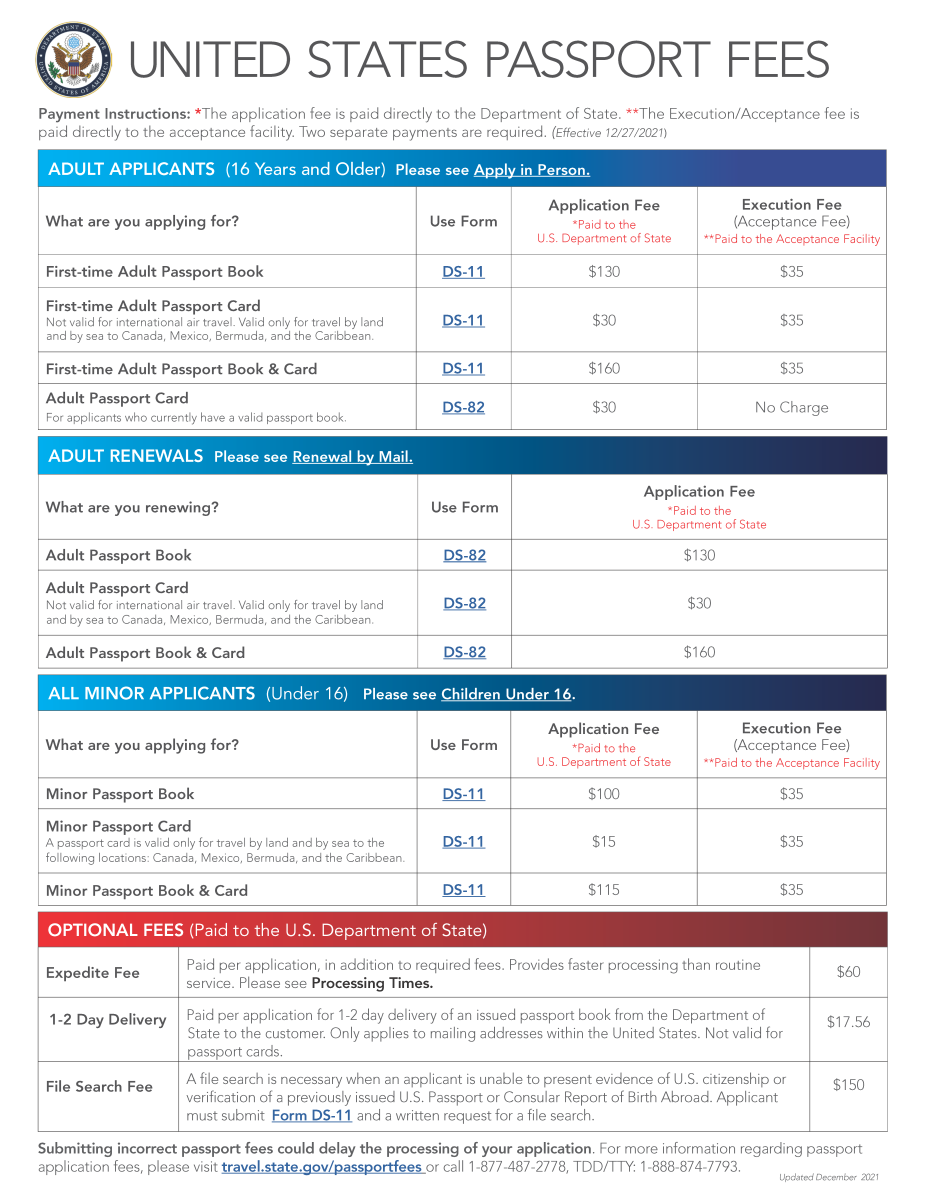
Passport prices can vary greatly from country to country, influenced by factors such as economic conditions, government policies, and the perceived value of the passport itself. The cost of obtaining a passport typically includes government fees, administrative costs, and sometimes additional expenses associated with expedited processing.
For some nations, particularly those known for citizenship by investment programs, the price can soar into six figures. Such investments often come with additional benefits, including visa-free travel to numerous countries, tax advantages, and even the opportunity to create a base for business operations.
Factors Influencing Passport Costs
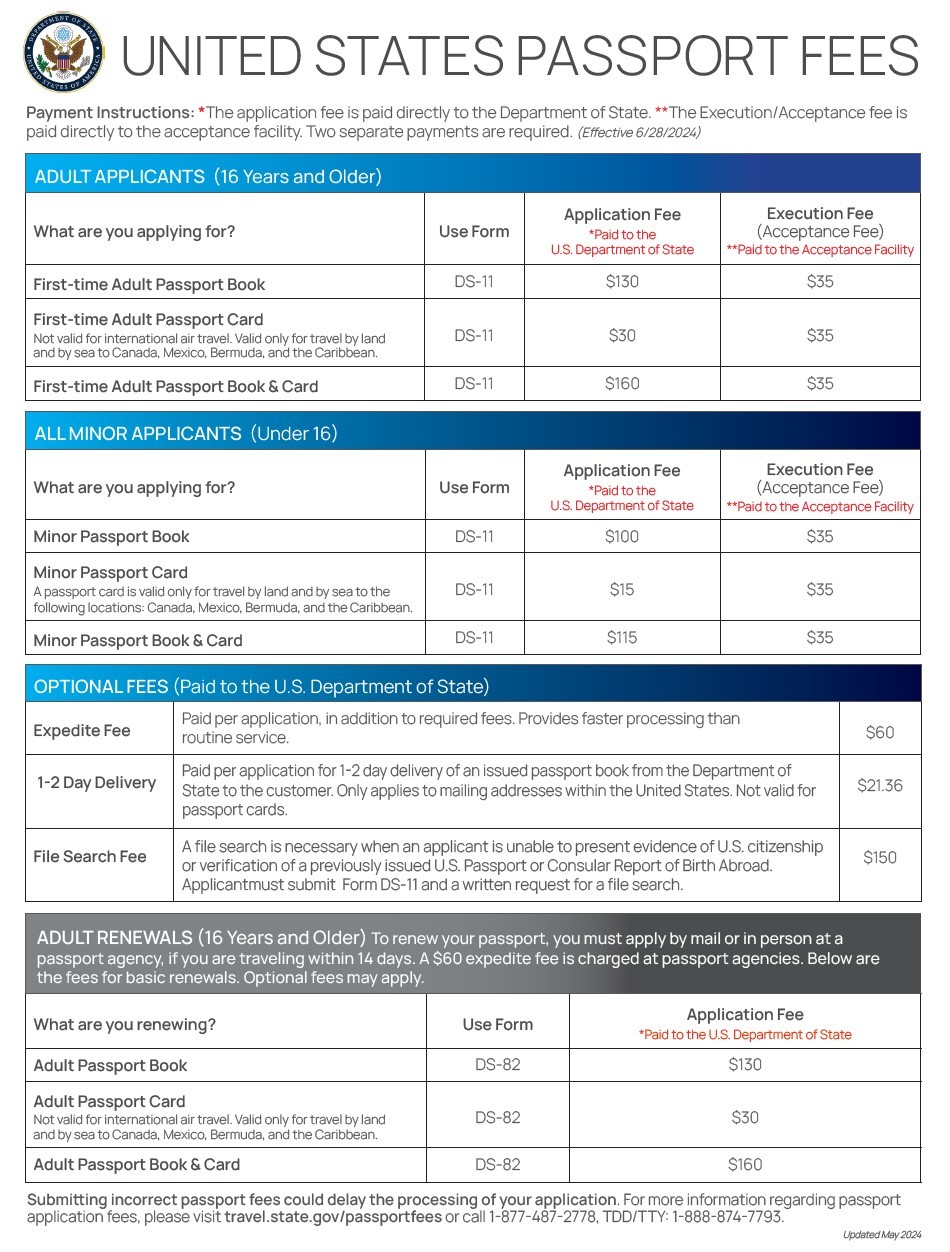
Several factors affect the final price tag of a passport. Here are the primary ones:
- Country of Origin: Some countries charge significantly more for passports than others. For example, the United States and Canada tend to have higher fees compared to many developing countries.
- Application Method: The process can differ based on whether you are applying through standard government procedures or an expedited service. The latter usually incurs additional fees.
- Age of the Applicant: Many countries have different fees for adults and minors, with children’s passports often being cheaper.
- Processing Time: If you require a passport urgently, expedited fees will apply, which can inflate the overall cost considerably.
- Additional Services: Services such as renewal, replacing a lost passport, or obtaining a second passport typically come with their own set of fees.
Costs of Citizenship by Investment Programs
Citizenship by investment programs (CBI) have gained tremendous popularity among high-net-worth individuals. Countries such as Malta, Antigua and Barbuda, and Vanuatu offer citizenship in exchange for a significant financial contribution to national development projects, real estate investments, or through donations to governmental funds.
The costs of these programs can vary dramatically. For instance, Vanuatu’s program stands out with comparatively lower investment requirements and has become an attractive option for many seeking second citizenship without the need for extensive residency requirements. On the other hand, programs in European nations often demand a minimum investment benchmark, which can start from €250,000 and soar upwards to €2 million or more, depending on the real estate or business initiative.
Investment Returns and Valuation
Passport investment can also be viewed through the lens of return on investment (ROI). A good passport enhances mobility and can significantly alter one’s business and personal life opportunities. For instance, acquiring a passport from a nation that allows for visa-free travel to major economic regions can save time and money, facilitating smoother international engagements.
Additionally, with the rise of global mobility and the uncertainties stemming from geopolitical scenarios, having a “Plan B” in the form of a second passport is often seen as prudent investment. The enhanced global standing and security a strong passport provides can often justify these high initial costs in the long run.
Challenges and Concerns
Despite the benefits, navigating the passport pricing landscape can be fraught with risks. There are various scams and fraudulent schemes that have surfaced, especially in the realm of citizenship by investment. It is critical for potential applicants to conduct thorough research and engage only with reputable agencies or direct government sources.
Furthermore, regulations and fees can change abruptly, driven by political shifts or changes within the global economy. Prospective investors must stay informed about current policies to avoid financial pitfalls.
The Future of Passport Pricing
As global dynamics continue to evolve, so will the intricacies surrounding passport pricing. With an increasing number of people seeking greater mobility, the demand for various forms of citizenship will likely rise, pushing countries to adapt their pricing strategies accordingly.
Furthermore, technological advancements may streamline processing times and reduce costs. The use of blockchain technology, for example, could enhance security and efficiency in passport issuance, potentially lowering overall pricing in the future.
Conclusion
Understanding passport pricing is essential for anyone considering international travel, relocation, or investment. While the costs can vary widely based on numerous factors, the benefits that a passport can provide often outweigh the upfront investment. Whether you are interested in obtaining a new passport for travel purposes or exploring citizenship by investment opportunities, being well-informed is your best strategy for navigating this complex and often costly landscape.